I am not Chinese. This may not come as a surprise to you. But back in 2011, it did for me! A year earlier, I had returned from two years in China and was starting my second year of seminary. Reverse culture shock was hitting hard. I had lived in China, serving as field personnel through the GSC program with CBF. It was an amazing, life changing experience. I had made life-long Chinese friends, served alongside the Chinese church, and learned so much during my time there. I loved the language, the culture, and the food in China. My Chinese friends would jokingly say things like, “you’re so Chinese, Brittany!” But I had taken it to heart. I loved China. I wanted to connect. I wanted to belong. I wanted to be there. So, while I obviously knew I wasn’t Chinese, I wanted to be accepted as a Chinese person in my Chinese community. But during my reverse culture shock and a later trip back to visit China, I had an experience where it hit me hard that, no matter how much language I learned, no matter how much spicy hot-pot I could eat, I was in fact not Chinese. And that is okay. I would always be a visitor, a wai guo ren, a foreigner in China.
Now, over ten years later, our ministry among Chinese communities has changed a lot. We are now serving Overseas Chinese living in the Philippines. There are so many wonderful parts to this new approach to ministry. One thing it means is we have a lot to learn. Interestingly, we are still outsiders, but we are outsiders alongside the overseas Chinese community. Now we are visitors right along with the community we are engaging with.
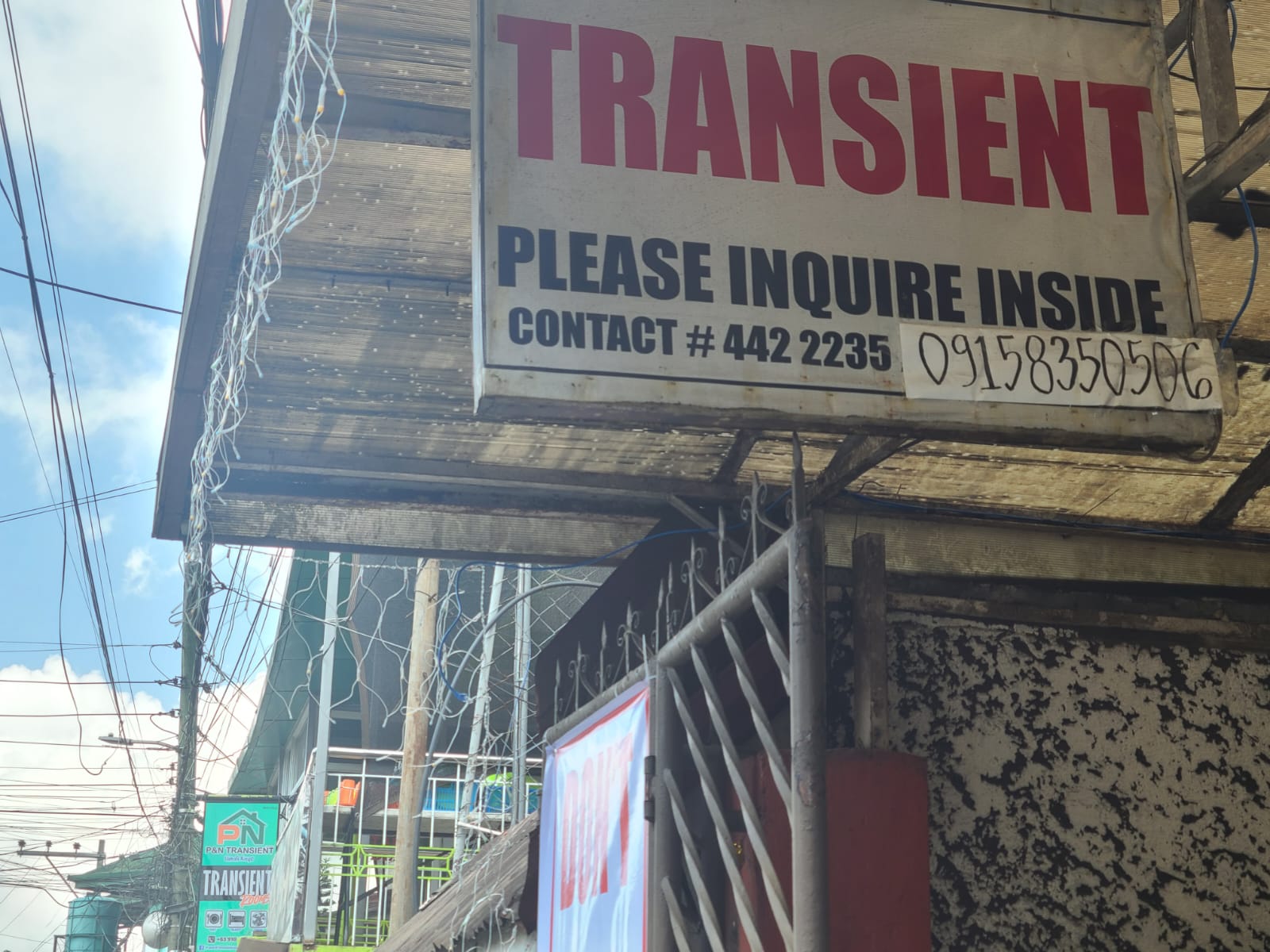
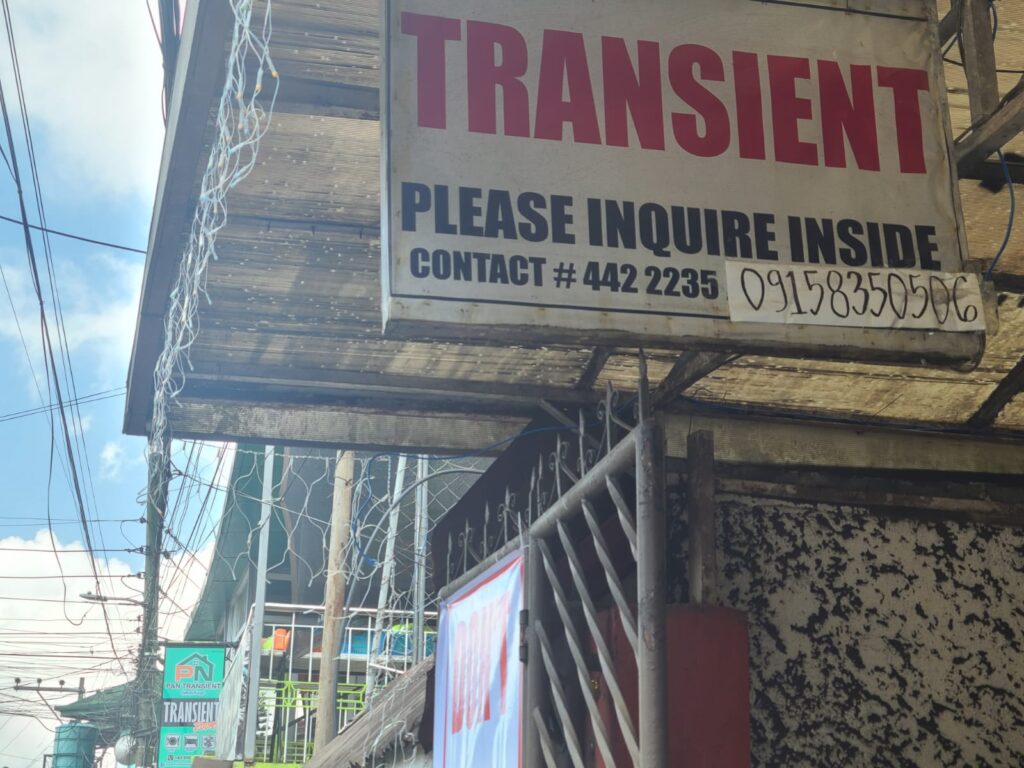
The city we live in is a little town about 5 hours north of Manila called Baguio. It is up in the mountains and is the “Summer Capital” of the Philippines. The cool, fresh mountain air is the perfect escape for those coming to visit from the hotter parts of the Philippines. What that means, we are learning, is that we are living in a city with a lot of people coming and going. All around the city we see signs for “transient housing.” What that means is that someone is offering short-term housing for visitors and tourists. I had honestly never really heard the word transient used much before coming here. But now I see this word on a daily basis. It was actually hard to find an apartment when we moved here because so many places are used as transient housing for tourists, students, or workers coming here for a short time.
What we are finding is that our ministry will be among this transient community. Many of the students we have met come to Baguio for their graduate studies for a month-long stint every three months. The parents we meet at the school are only here while their children are school-aged. And two weeks ago, we met a new Chinese friend who was in Baguio for only 3 months to study English. So we are adapting to what it’s like to come alongside an ever-changing, ever-moving, overseas Chinese community.
We too are learning how to live in this new country and culture. We are not transient or short-term, but like I had to learn 14 years ago, we are still viewed as outsiders and visitors. I think in our life and ministry, no matter where we are, we will always be permanent visitors.